
For Patients
What to expect
Most of the anxiety around a cardiac procedure comes from not knowing how the day will go. Here is the whole thing, start to finish.
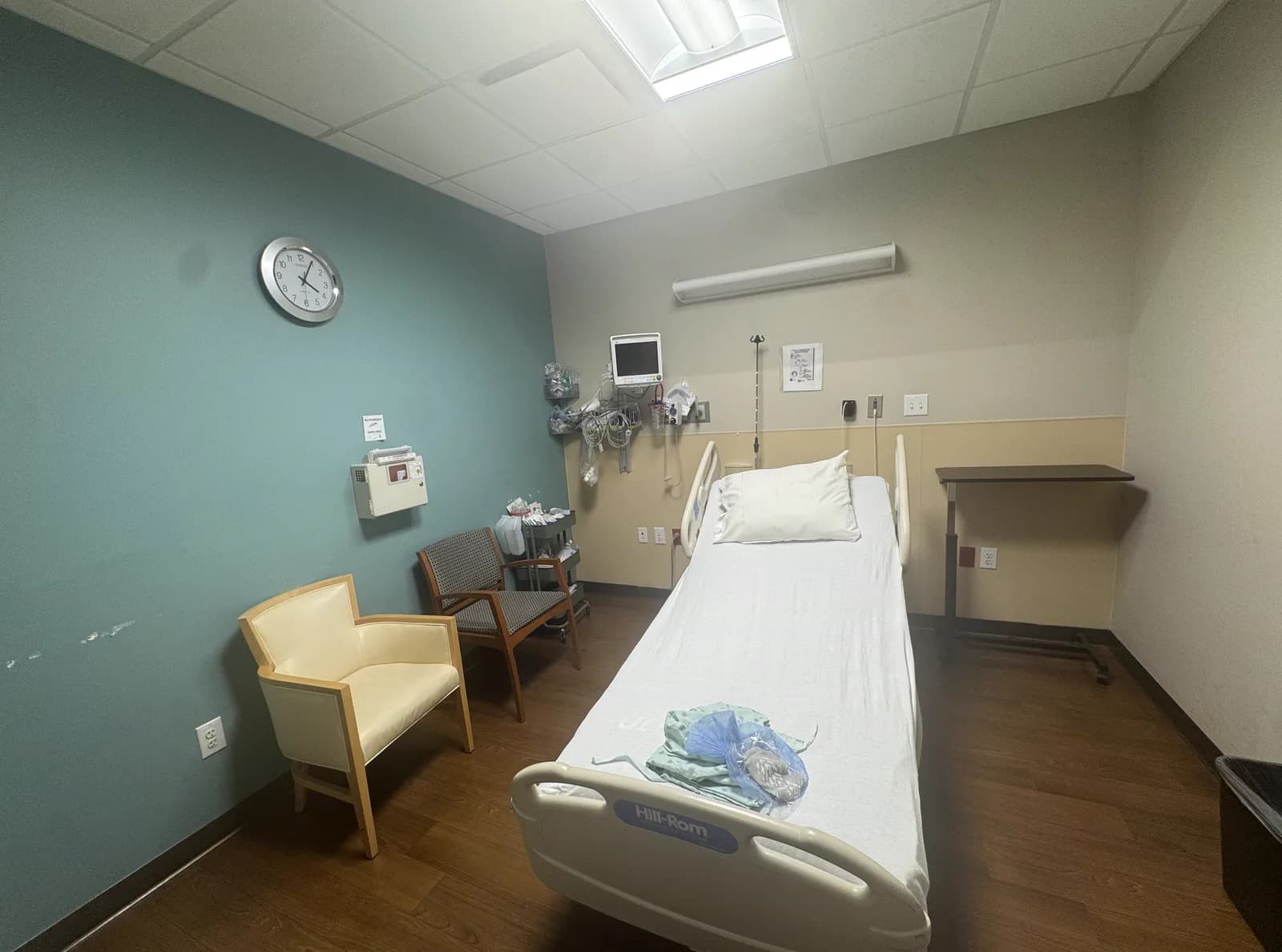
Step One
Before your procedure
- 1
You will hear from us first
A nurse calls ahead of your procedure to confirm your arrival time, go through your medical history, and review every medication you take. This call matters — it is where problems get found while there is still time to solve them.
- 2
Medications
Some medications continue, some pause, and some need a specific schedule in the days beforehand. Blood thinners and diabetes medications in particular are managed individually. Do not stop or change anything on your own; follow the instructions you are given.
- 3
Eating and drinking
You will be told exactly when to stop eating and drinking. This is a safety requirement for sedation, not a formality — if it is not followed, the procedure has to be rescheduled.
- 4
Arrange your ride
Sedation means you cannot drive yourself home, and you cannot take a taxi or rideshare alone. Arrange for a responsible adult to drive you and, for most procedures, to stay with you overnight.
- 5
Tell us about changes
If you develop a fever, an infection, chest pain, or any new symptom in the days before your procedure, call the center. It may not change anything, but we need to know.
Instructions for your procedure
Fasting, washing, which medications to hold, and whether you need a driver all depend on which procedure you are having — and for blood thinners, the instruction for one procedure is the opposite of the instruction for another. Choose yours and you will see only what applies to you.
Step Two
The day of your procedure
Bring
- Photo ID and your insurance card
- A current list of all medications and doses
- Your driver — a responsible adult who can take you home
- Loose, comfortable clothing
- Your rescue inhaler or CPAP if you use one
- Device identification card, if you have an existing pacemaker or ICD
Leave at home
- Jewelry, watches, and valuables
- Contact lenses — bring glasses instead
- Nail polish on fingers, which interferes with oxygen monitoring
- Large bags
How the visit flows
Check in
Registration is a few steps from everything else in the building. You will not be walked across a hospital campus.
Pre-op
You change, a nurse places an IV and attaches monitoring, and your physician and the anesthesia team review the plan with you and answer questions.
The procedure
You are taken to the procedure suite and sedation begins. Your family waits nearby, and someone will update them.
Recovery bay
You wake up in recovery with a nurse monitoring your rhythm and your access site. How long you stay depends on your procedure.
Plan for longer than the procedure itself. An ablation in particular occupies most of a day once preparation, sedation, and the observation period are counted.
Step Three
Recovery and going home
The access site
Most procedures use a vein in the groin. Expect tenderness and possibly a bruise that spreads and changes color over a week or two — that is normal. Keep the site clean and dry and follow the instructions you are given about showering and lifting.
Activity
Plan on taking it easy for the first days, with specific limits depending on your procedure. After a device implant, keep the arm on that side below shoulder height until told otherwise so the leads can settle.
Medications
You may go home on a different medication schedule than you arrived with, particularly for anticoagulation. Your discharge instructions spell this out. Follow them rather than reverting to your old routine.
What is normal
Mild soreness, bruising, fatigue for a day or two, and — after an ablation — occasional irregular beats during the first weeks while tissue heals.
Follow-up
You go home with written instructions specific to your procedure, and the center follows up afterward. Your referring physician receives the procedure report.
Call 911 immediately if you have
- Chest pain or pressure
- Difficulty breathing or shortness of breath at rest
- Fainting, confusion, or slurred speech
- Weakness on one side of the body
- A defibrillator shock followed by feeling unwell, or more than one shock
Contact the center for
- Bleeding from the access site that does not stop with firm pressure
- A rapidly growing lump, or a site that becomes hot, red, or starts draining
- Fever
- A leg or arm below the access site that becomes cold, numb, or pale
- Symptoms that feel like the arrhythmia you were treated for, if they persist
Questions about your procedure?
Our team will confirm your date, walk you through preparation, and answer questions about insurance, sedation, and recovery.